

Interpretation built for decisions.
Reviewed learning-technology analysis that explains what the evidence means, where uncertainty remains and what a practitioner or leader should consider next.
Understand what the evidence means for your decision.
Our analysis explains documented product behaviour, release availability and implementation requirements. It links to the sources, distinguishes our recommendations from product facts and shows what still needs checking.
See what changed
Use the historical record when a recommendation depends on a dated product or market change.
Open historyReviewed decision briefs
13 briefs · showing 1–12
SAP SuccessFactors Learning 2H 2026: what Learning AI changes, and who can use it
Learning AI is moving from recommendations towards assignments, compliance actions and skills-based development. Check what SAP documents, what is restricted to Early Adopter Care, and what your team should test before adoption.
Evidence D · Preview and release preparation · updated 18 Oct 2026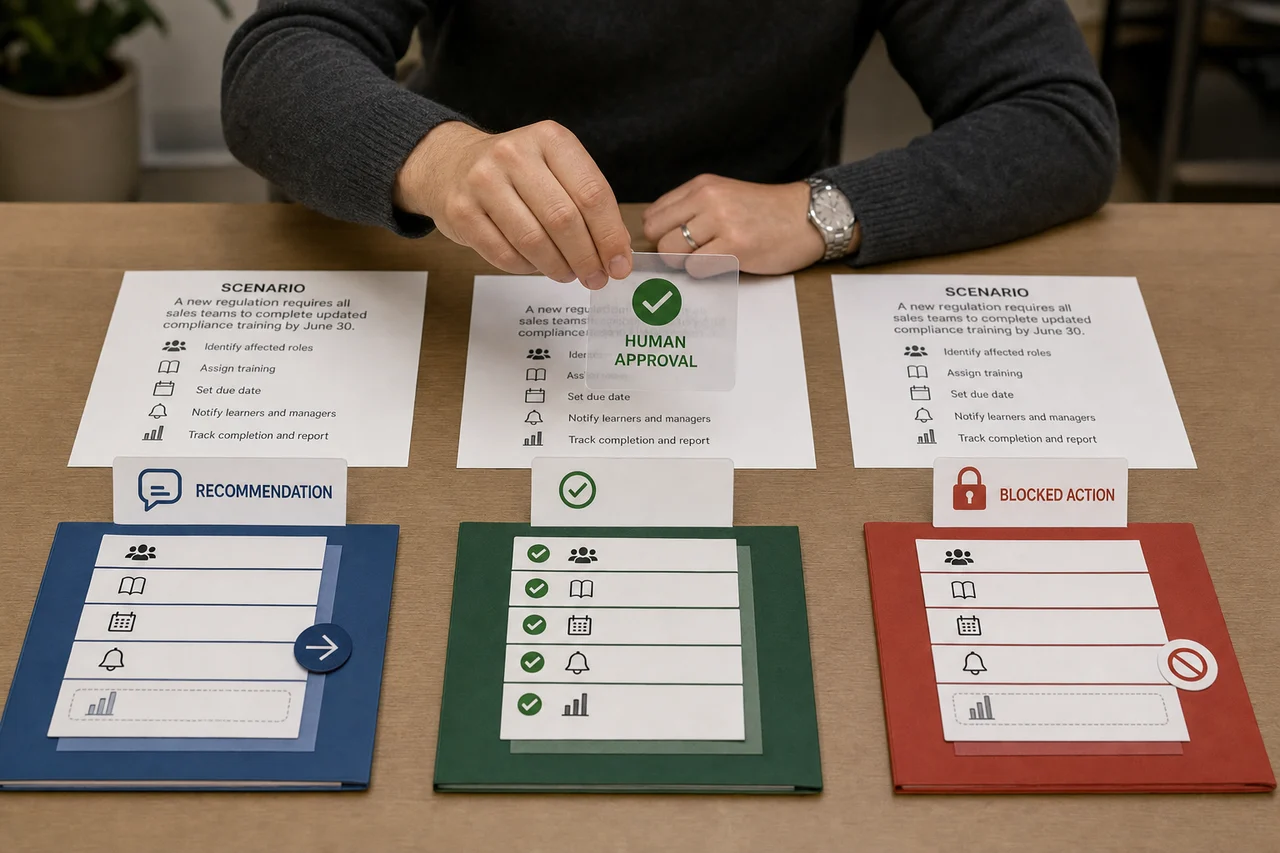
Are enterprise learning platforms converging on AI assistants and agents?
Cornerstone, Docebo and 360Learning describe assistants and agents for different tasks, including course questions, coaching, search, analytics and administration. Compare the task you need to perform, the data each tool can access and the approvals it requires. Confirm availability for each feature.
Evidence C · 6 months · updated 30 Sept 2026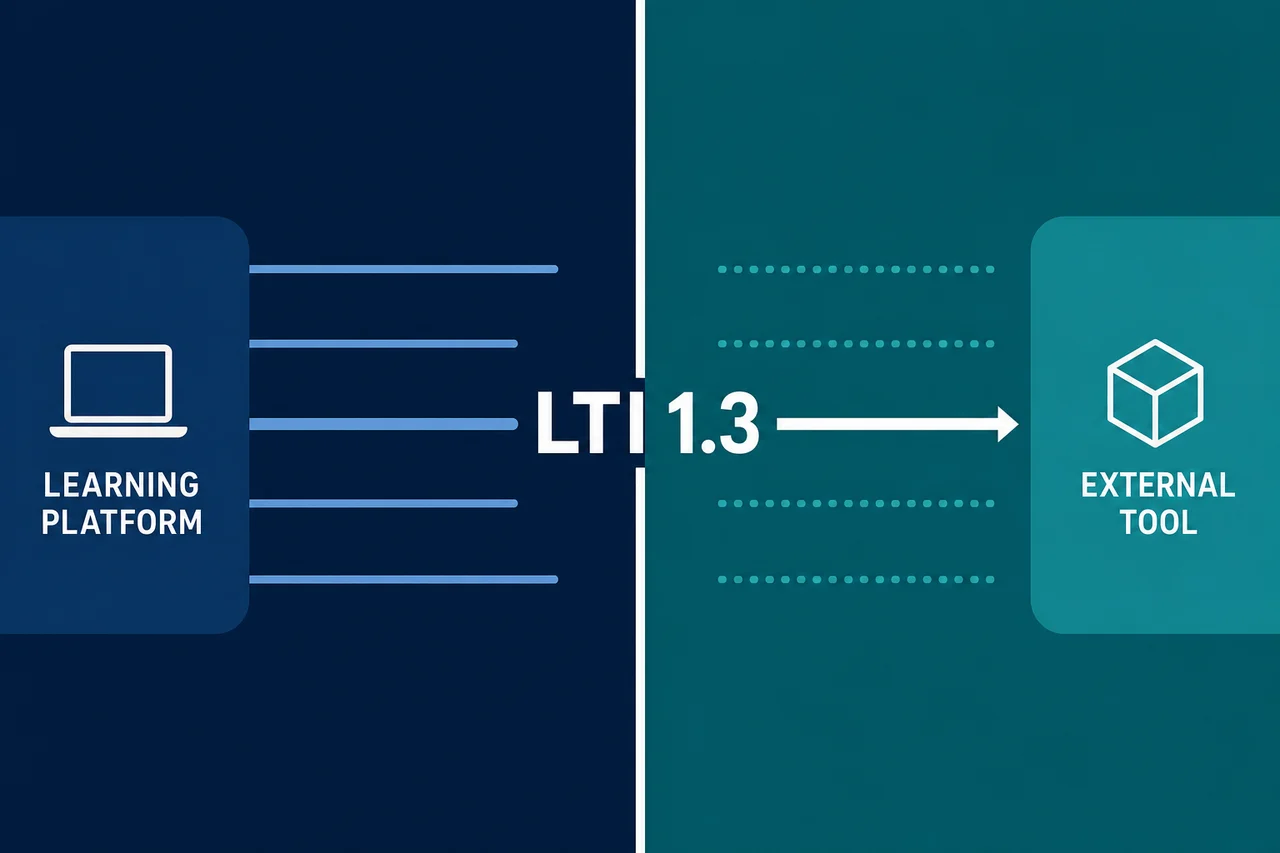
When does LTI 1.3 matter in an enterprise learning stack?
LTI 1.3 supports launching external learning tools and exchanging context. Confirm the services your workflow needs, then test identity, permissions, data sharing and support responsibilities.
Evidence C · Now · updated 30 Sept 2026
What should teams test before using Oracle Learning Tutor?
Check which information Learning Tutor uses, what it records and how it handles incorrect or uncertain answers. Test whether it helps learners complete a defined task.
Evidence C · Now · updated 30 Sept 2026
How should Oracle Learning compliance assignments be designed?
Define who needs mandatory training, when it is due, how completion is recorded and when it must be renewed. Test audience rules and exceptions before automating assignments.
Evidence C · Now · updated 30 Sept 2026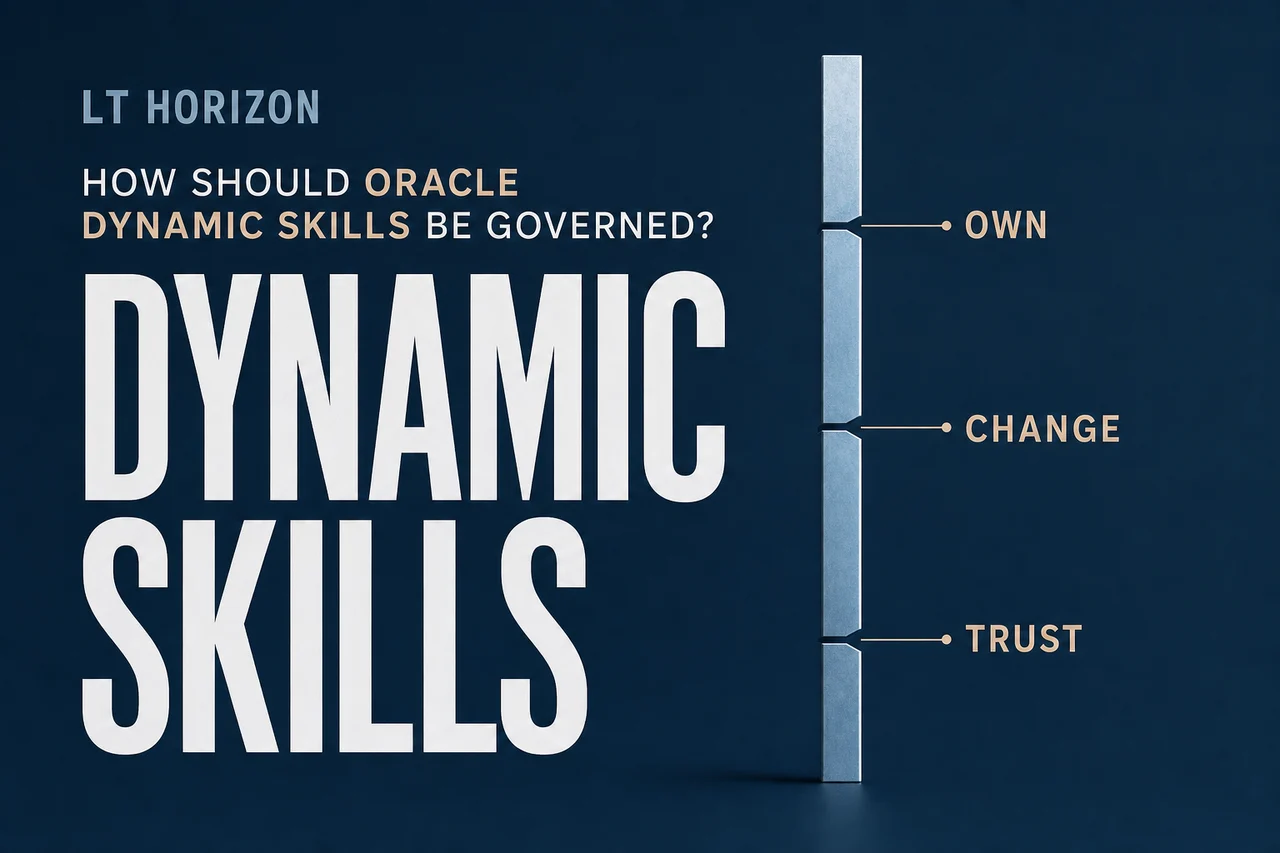
How should Oracle Dynamic Skills be governed?
Agree who maintains Dynamic Skills data, how inferred skills are reviewed and which decisions can use them. Check those responsibilities before automating recommendations or mobility decisions.
Evidence C · 6 months · updated 30 Sept 2026
How should Workday Skills Cloud be governed?
Before using Skills Cloud for recommendations or workforce decisions, agree how skills are inferred, checked, updated and challenged. Identify which decisions may rely on that data.
Evidence C · 6 months · updated 30 Sept 2026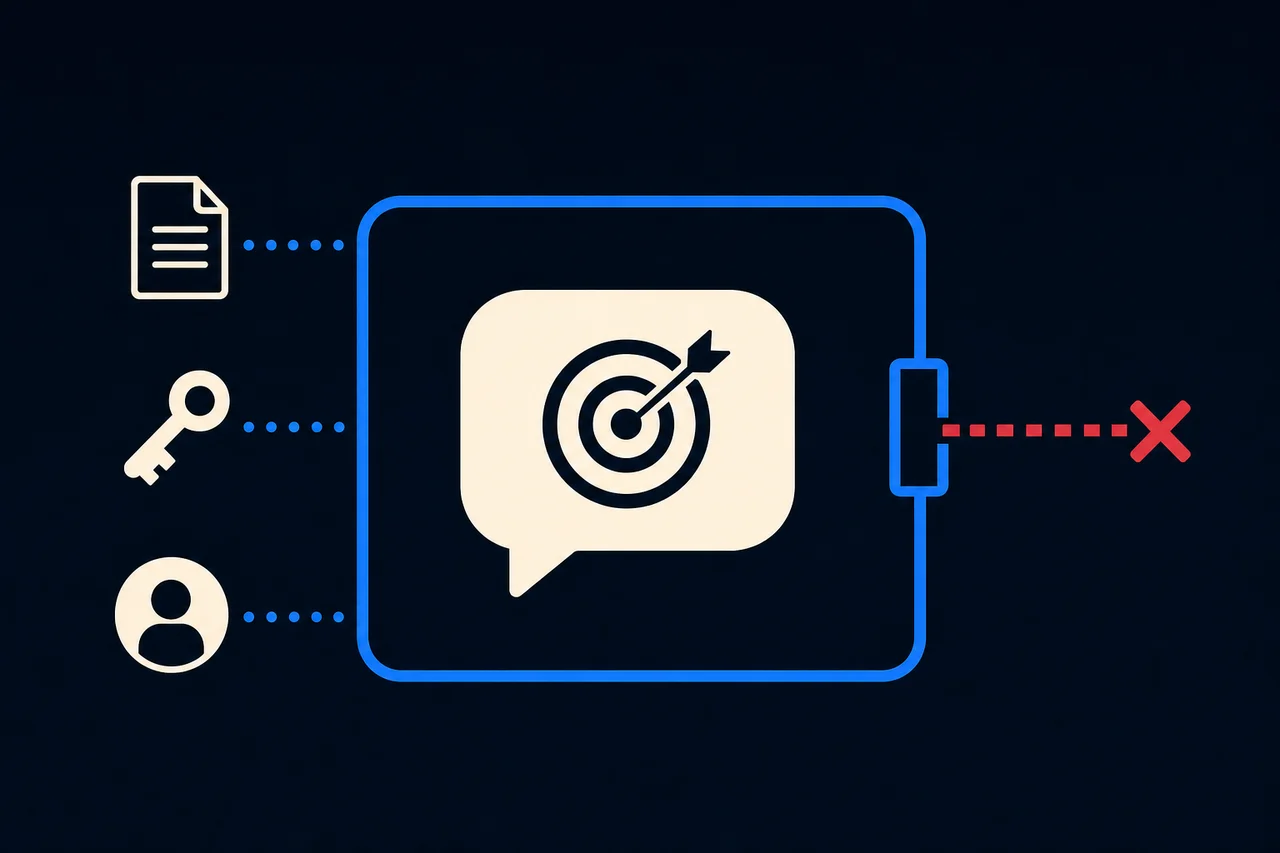
How should Workday Learning AI tutors be evaluated?
Test an AI tutor against a specific learning task and approved sources. Check incorrect answers, escalation, permissions and accessibility, then compare the results with your existing approach.
Evidence C · 6 months · updated 30 Sept 2026How should AI-assisted course authoring be governed?
AI can help produce a first course draft. Keep a named reviewer, record the sources and check accuracy and accessibility before publication. Measure review and maintenance time as well as drafting time.
Evidence C · Now · updated 30 Sept 2026
What changed with Workday Learning, powered by Sana?
Workday combines learning administration with Sana’s AI tutoring, authoring and search. Check how content, permissions, people data and migration responsibilities fit together before planning an upgrade.
Evidence C · Now · updated 30 Sept 2026What changes when Learning integrates with Talent Intelligence Hub?
Talent Intelligence Hub supplies shared skills and competency attributes to Learning. Agree who checks those attributes, maintains the taxonomy and links skills to content and recommendations before enabling them.
Evidence C · 12 months · updated 30 Sept 2026How should User Connector – SF field mapping be designed?
Start with the Learning decisions each field must support, then map only controlled Platform attributes with an identified owner, transformation rule and reconciliation method.
Evidence C · Now · updated 30 Sept 2026